The house revealed by mist
12 November 2026
Moisés Royo · 06 October 2025 · Villa · Completed · Landscape · Atmosphere
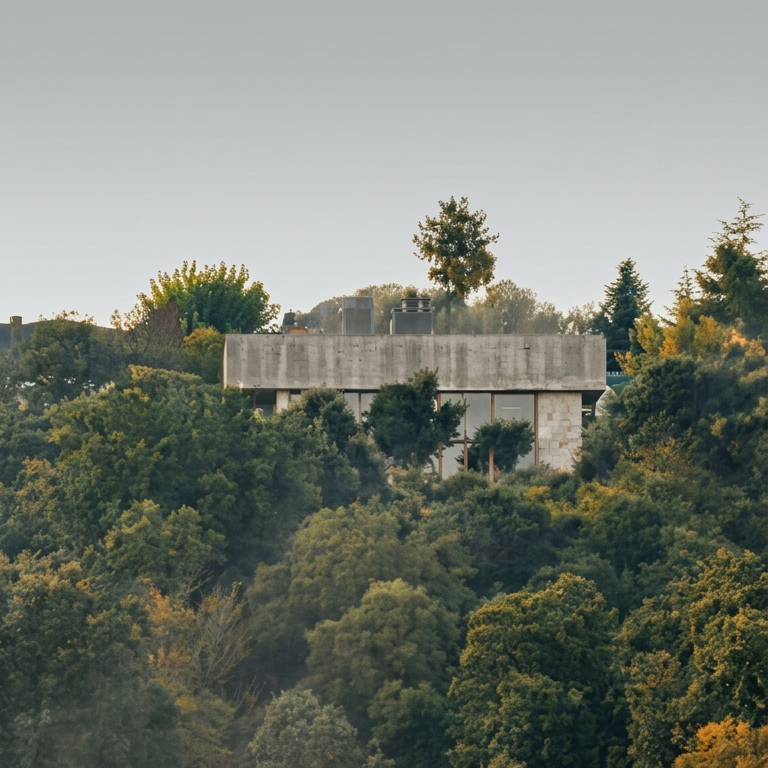
Architecture that does not impose itself on the place, but finds its precise position within it
Some houses can be understood almost at a glance, while others require time. Casa Roble cannot be explained through a single image or a particular gesture, but through the relationship established between matter, light, landscape and the way all of these accompany the life unfolding within.
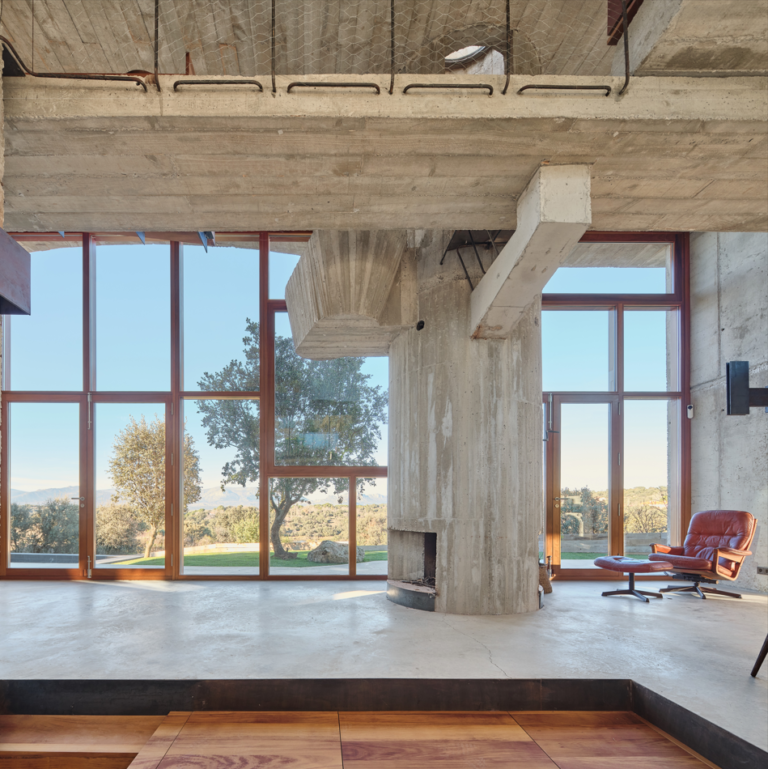
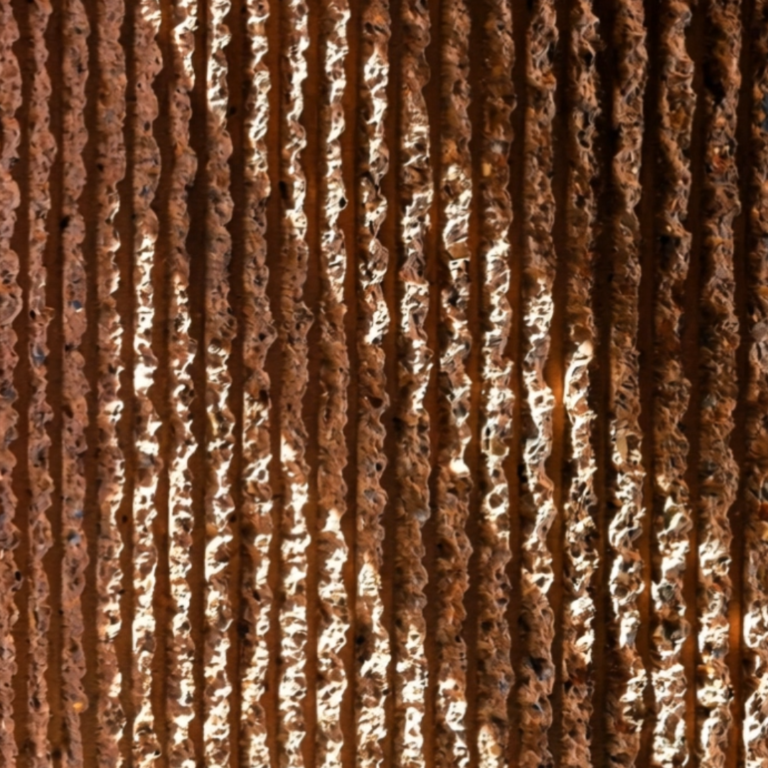
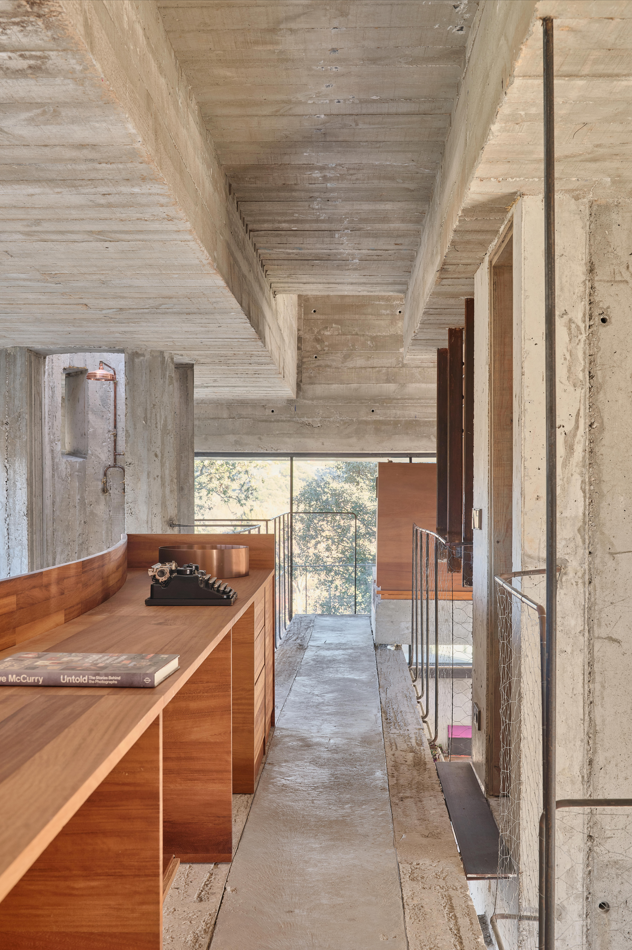
In this house, concrete plays an essential role, but it does not appear as an expression of hardness. What interested us was precisely moving away from its rawness to explore other qualities that also belong to it: weight, gravity, shadow, shelter and silence. Its presence creates a certain sense of permanence while allowing other materials, particularly oak, to introduce tactility, warmth and proximity.
Materiality does not operate here as a collection of finishes. Concrete and timber are part of the same way of shaping space and connecting the house with those who inhabit it. Architecture thus acquires a physical dimension that depends not only on what we see, but also on what we touch, on the changing temperature of a surface, the depth of a shadow or the sense of protection created by a particular boundary.
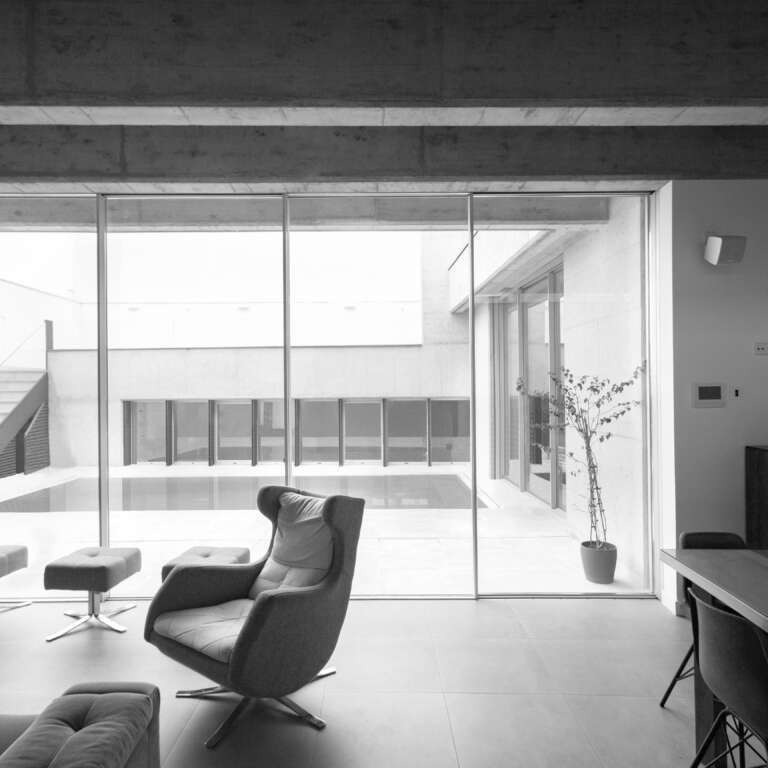
Light does not enter Casa Roble simply to illuminate it. Its movement transforms our perception of the spaces throughout the day, reveals the texture of the materials and allows the passage of time to be measured within the house.
At Casa Roble, this relationship between matter and light is inseparable. Concrete needs shadow to acquire depth; timber needs light to reveal its warmth; and space needs both to create an atmosphere that is never static.
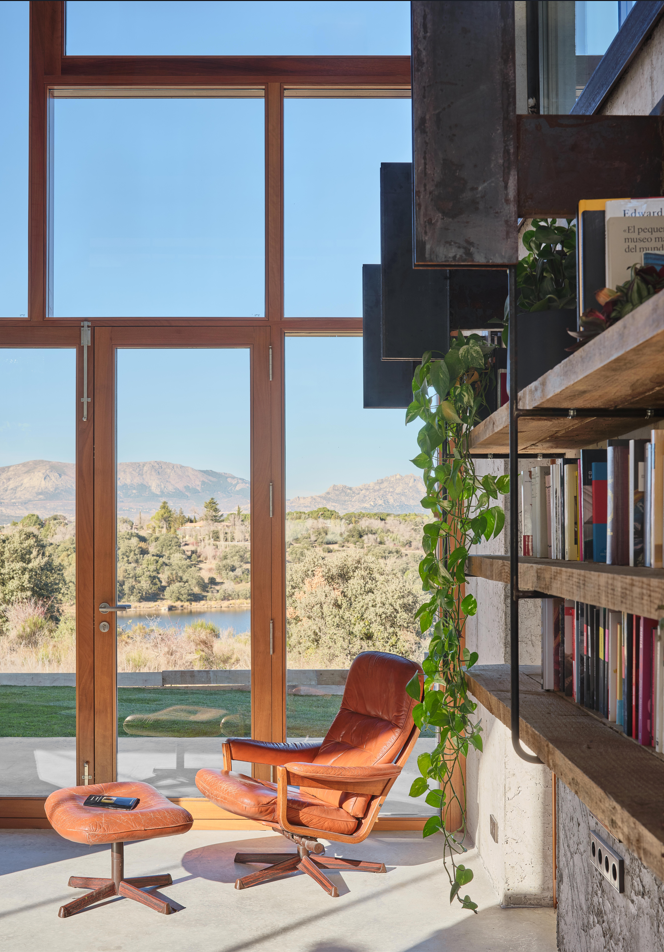
Nor does the landscape appear simply as a backdrop against which the house is placed. The holm oaks, the horizon, the orientation and the views have been part of the project from the outset.
I am interested in an architecture that does not need to impose itself in order to make its presence felt. An architecture capable of observing first, and then occupying its place with precision. This does not mean disappearing or relinquishing character, but finding the right relationship between what is built and what was already there.
Casa Roble frames the horizon, but also accompanies it. The voids, routes and openings do not simply seek to create images, but to establish different ways of relating to the outside. From some places, the landscape appears directly ahead; from others, it is perceived laterally, almost by chance. This variety forms part of the experience of inhabiting the house.
One of the things that interests me most about Casa Roble is that it allows me to explain an idea I consider essential to my understanding of architecture: a project acquires meaning when a construction decision, matter and a way of living cease to operate as separate questions and begin to respond to the same objective.
The choice of concrete shapes the light; light transforms our perception of matter; the openings establish the relationship with the landscape; and together, these decisions ultimately determine how we move through, observe and inhabit the house.
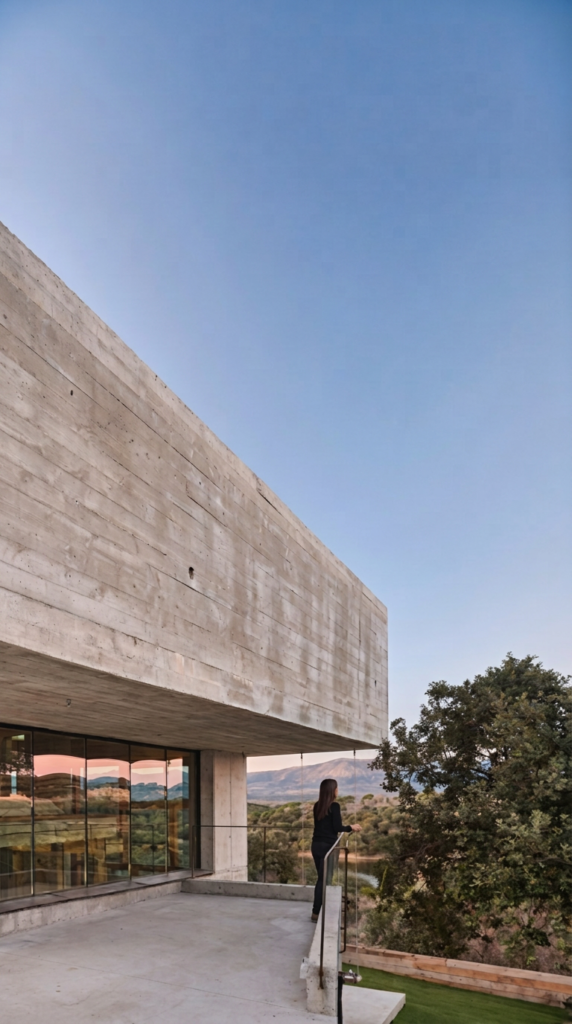
When these decisions align, architecture ceases to be perceived as a collection of solutions. A certain naturalness emerges, a sense that each element occupies precisely where it belongs.
Perhaps this is the architecture that interests me most: architecture that does not need to constantly explain its decisions because they ultimately become part of a single experience.
An architecture that is serene, material and quiet.
A house that does not seek to impose itself on the place, but to learn how to inhabit it.
One of the things that interests me most about Casa Roble is that it allows me to explain an idea I consider essential to my understanding of architecture: a project acquires meaning when a construction decision, matter and a way of living cease to operate as separate questions and begin to respond to the same objective.
The choice of concrete shapes the light; light transforms our perception of matter; the openings establish the relationship with the landscape; and together, these decisions ultimately determine how we move through, observe and inhabit the house.
When these decisions align, architecture ceases to be perceived as a collection of solutions. A certain naturalness emerges, a sense that each element occupies precisely where it belongs.
Perhaps this is the architecture that interests me most: architecture that does not need to constantly explain its decisions because they ultimately become part of a single experience.
An architecture that is serene, material and quiet.
A house that does not seek to impose itself on the place, but to learn how to inhabit it.