Casa Roble: matter, light and landscape
6 October 2025
Roots to belong to a place. Wings to imagine another way of living within it
‘Roots and wings. But let the wings take root and the roots take flight.’
This line by Juan Ramón Jiménez has stayed with me for many years. I first came across it in Diary of a Newlywed Poet, a book given to me by my mentor and professor José Manuel López-Peláez, and over time I have come to see in it a particularly precise way of thinking about architecture too.
A house needs roots. It needs to belong to a place, to recognise the ground on which it is built, to establish a relationship with the landscape and to find in matter a certain sense of permanence. But it also needs wings. It needs to allow for play, surprise, imagination and those small everyday moments that ultimately transform a built space into a place that is truly inhabited.
That is why a house is not complete when construction ends. Nor is it complete simply when someone moves in. A house begins to become complete when memories emerge, when routines change, when a window ceases to be merely an opening and becomes the place from which someone looks out each day at the same tree or the same horizon.
There is a part of architecture that can be measured with enormous precision: dimensions, thicknesses, structures, junctions, orientations and performance. But there is another that only emerges over time and has to do with experience.
How light changes throughout the day. How a shadow moves across a room. How a space unexpectedly opens towards the outside. How our perception of a material changes when we touch it, as it ages or as light transforms its surface.
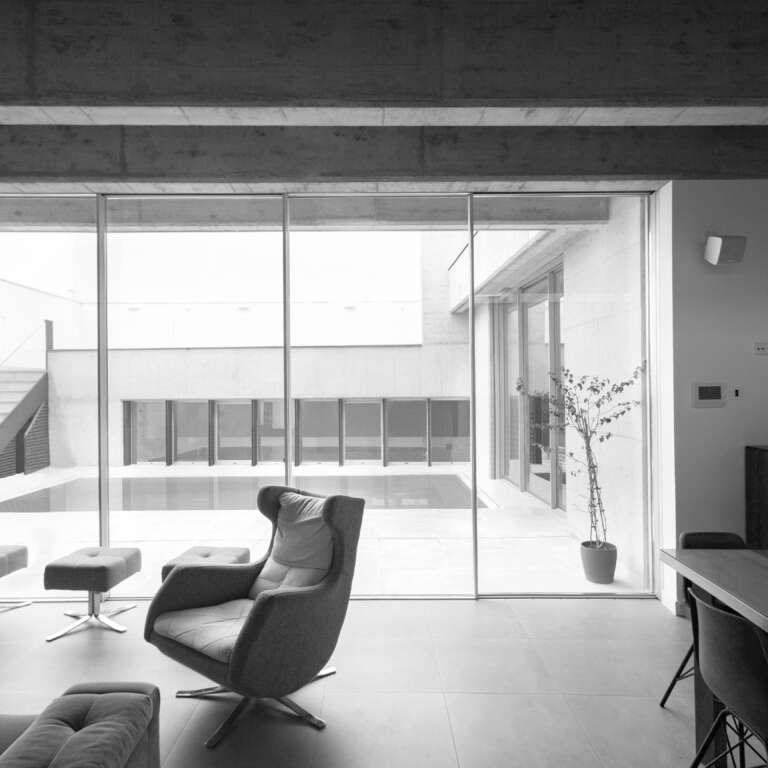
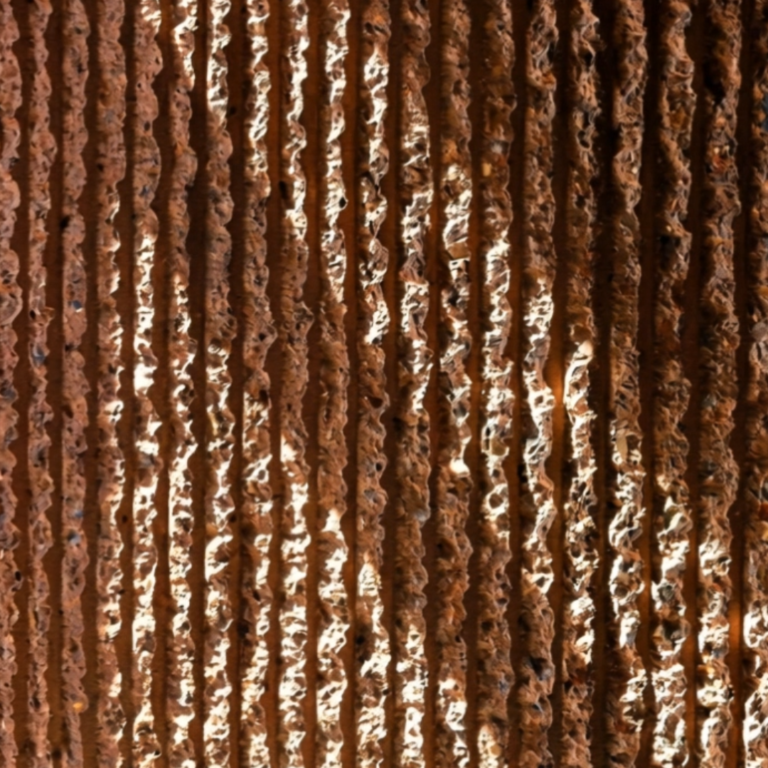
At Casa Roble, we tried to make these experiences part of the project from the outset. A window is conceived not simply as an opening needed to bring light into a room, but as a frame capable of selecting a fragment of the landscape and bringing it into everyday life. Matter, too, is understood not as a finish applied to space, but as something capable of creating tactility, temperature, weight, shelter and memory.
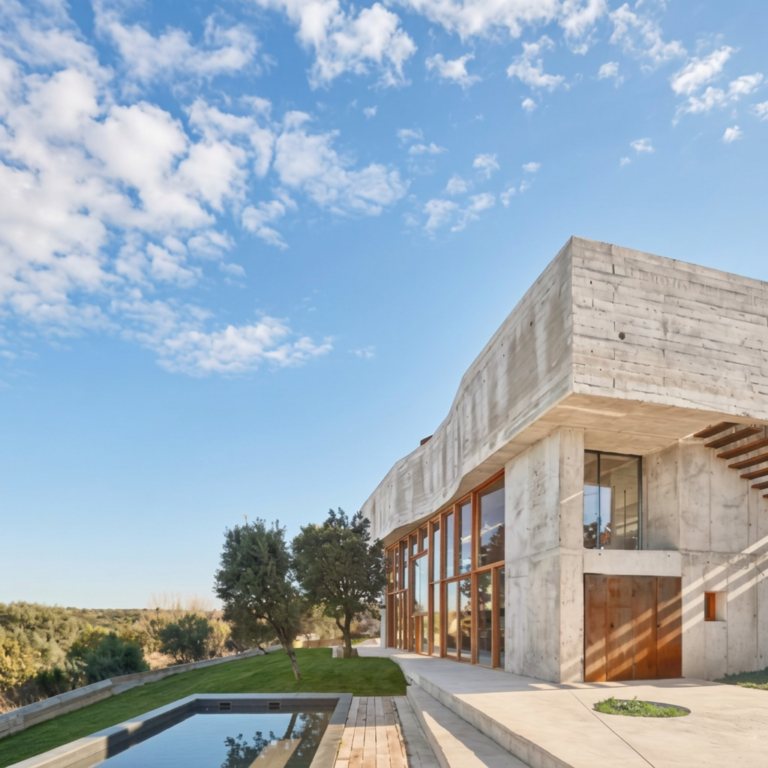
Concrete, glass, shadow and void are therefore not the result of independent decisions. They are all part of the same intention: to shape the relationship between the house, those who inhabit it and the place in which it stands.
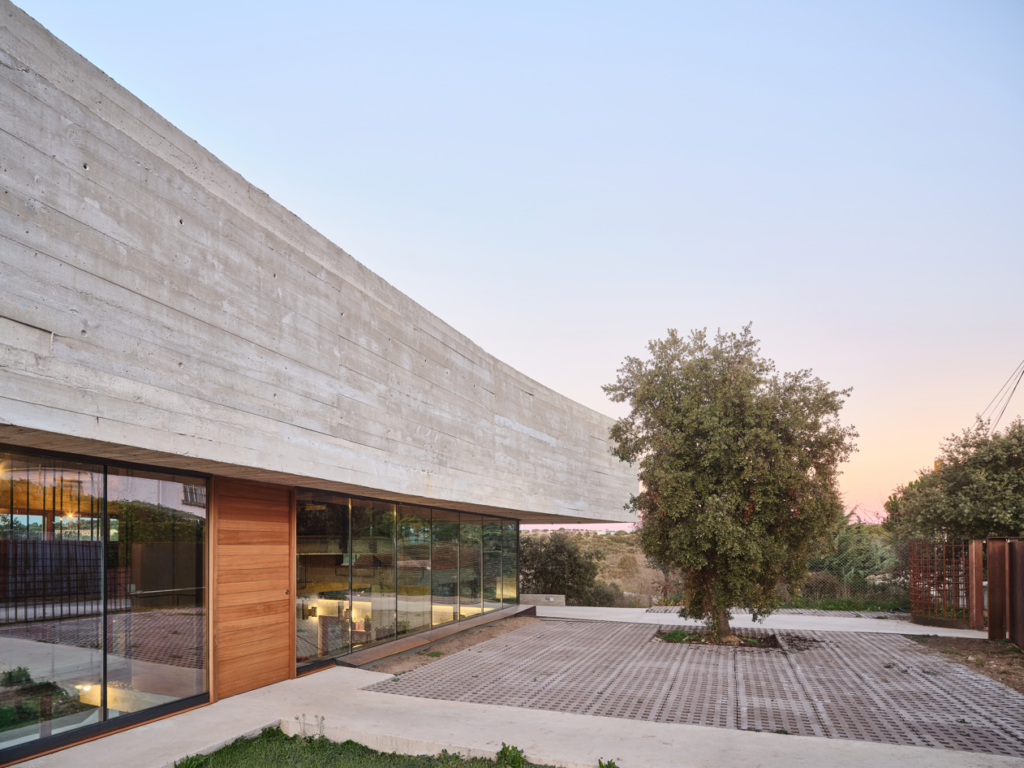
Inhabiting the landscape does not simply mean looking at it.
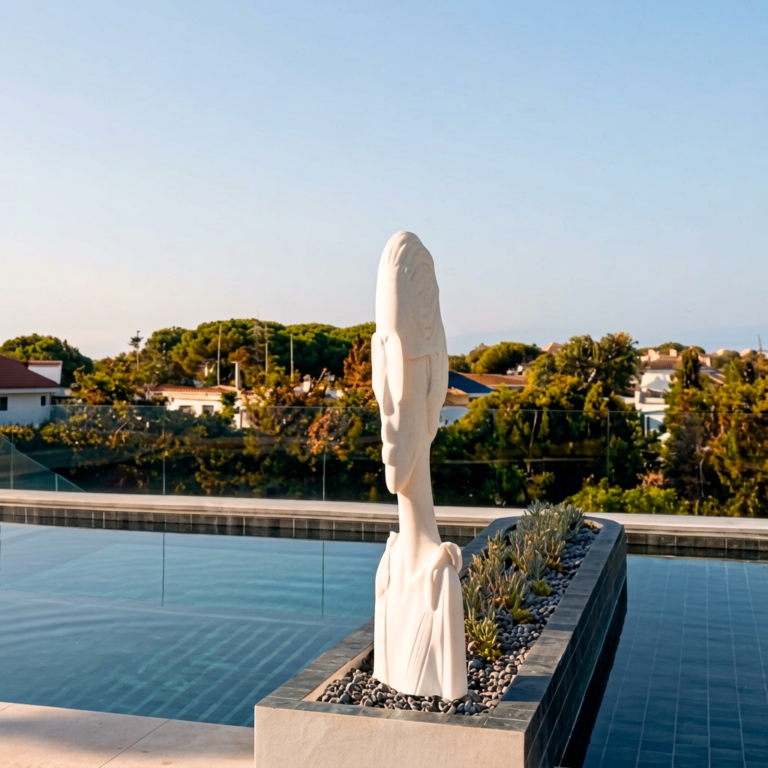
It means allowing it to become part of life within the house: allowing light to reveal the passing hours, vegetation to appear along certain routes, the horizon to accompany some spaces and disappear from others, and a changing shadow to transform a room without anything physically having to change.
When this happens, the relationship between inside and outside ceases to be purely visual. The landscape begins to participate in our everyday experience.
I am interested in architecture where boundaries do not disappear, but cease to feel like rigid borders. Architecture capable of creating shelter while maintaining an intense relationship with what surrounds it.
Casa Roble seeks to find that balance.
It does not seek to impose itself on the landscape or turn it into a mere backdrop for the architecture. It seeks to find its place within it, to recognise it and to establish a relationship in which house and place can be understood as parts of the same experience.
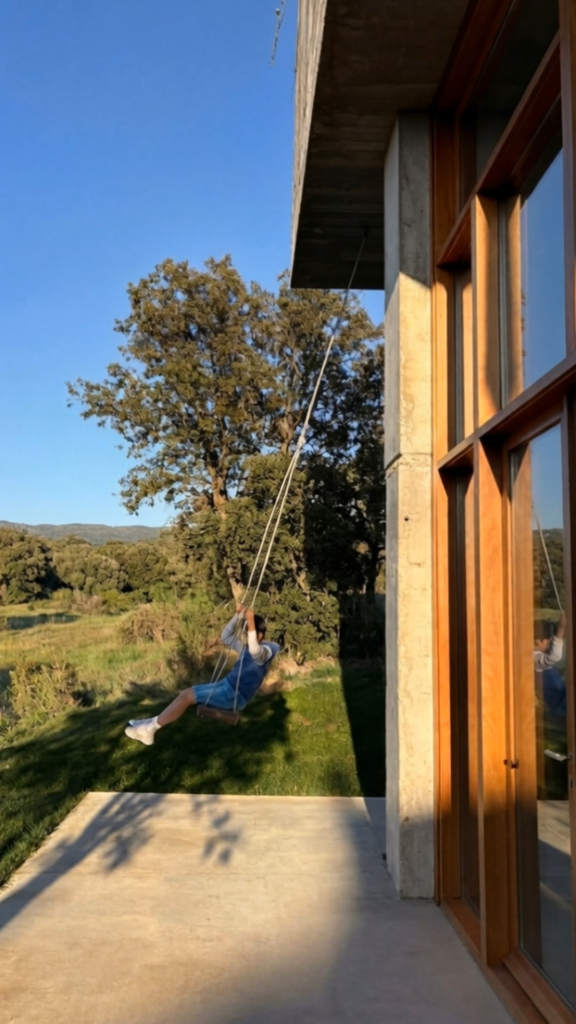
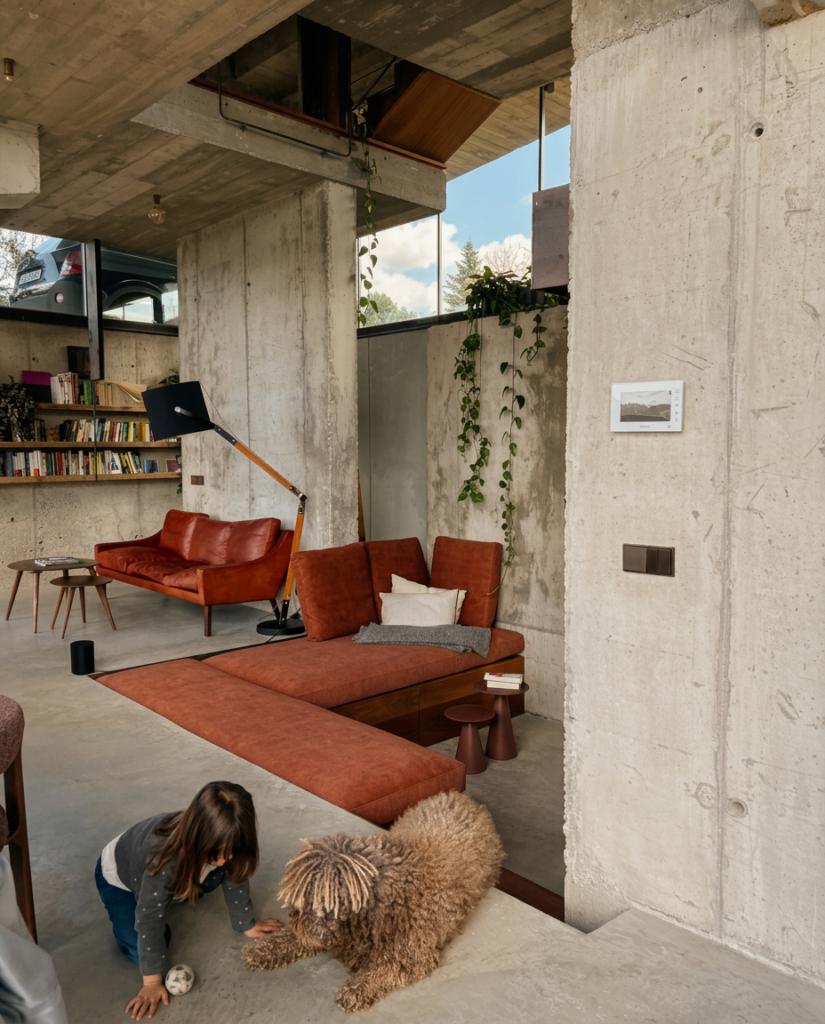
Perhaps a home needs precisely these two seemingly contradictory conditions.
Roots that allow it to belong: matter, ground, memory, gravity.
And wings that allow it to become more than a building: play, dreams, experiences, life.
Architecture can design spaces, orient a window, select a material or establish a particular relationship with the landscape. What it cannot design is the life that will later unfold within.
And perhaps therein lies one of its greatest possibilities: to carefully prepare the setting for something we do not yet know.
Because a house needs roots to belong to a place.
But it also needs wings, so that those who inhabit it can imagine their own lives within it.