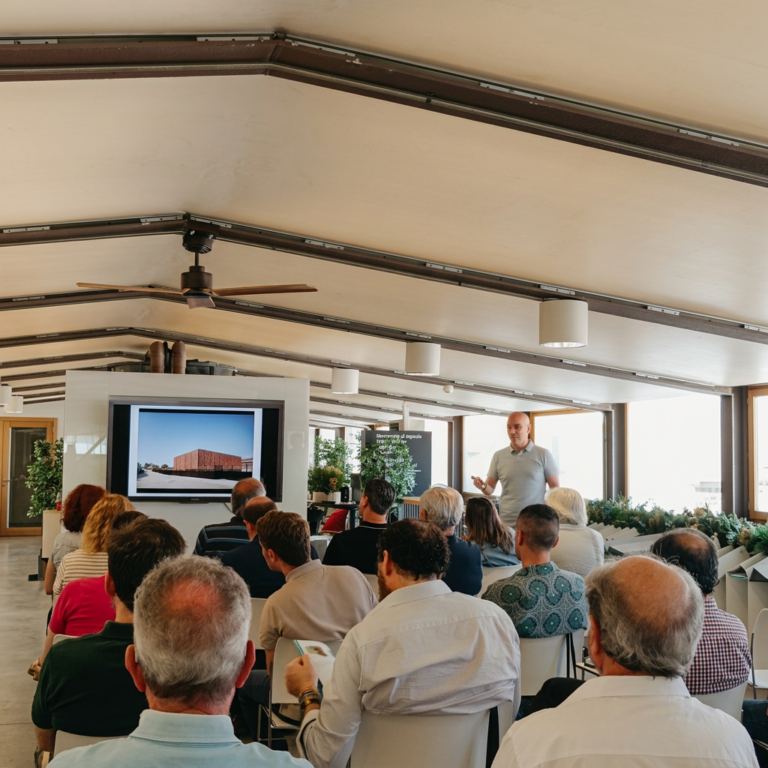
Casa Farol at MATCOAM: ceramic architecture, industrialisation and precision
26 May 2026
Moisés Royo · 08 November 2025 · Villa · Completed · Process · Atmosphere
Architecture also decides what to reveal, what to protect and where to look from
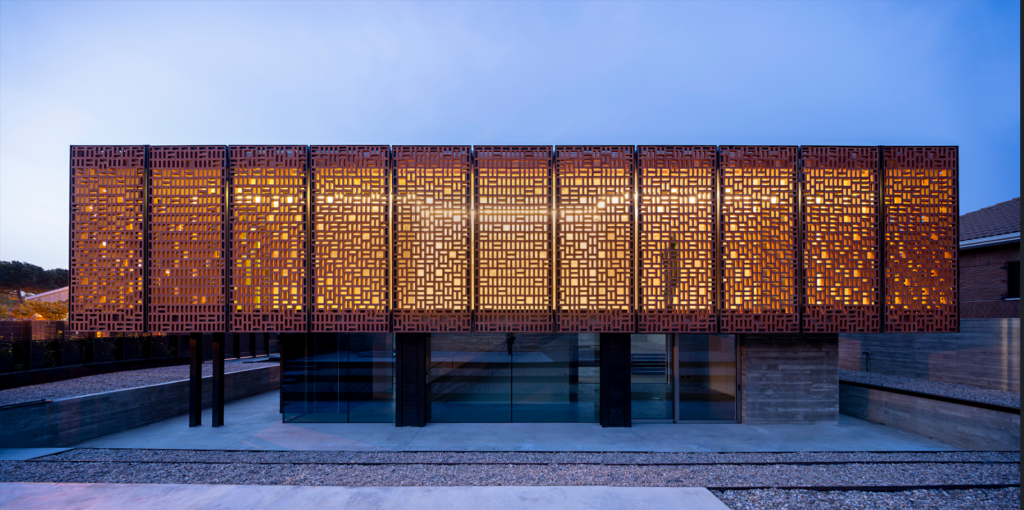
Opening up to the outside does not always mean exposing oneself. In residential architecture, there is an important difference between an open house and a vulnerable one: the former establishes a strong relationship with the landscape, light and the outdoors; the latter simply reveals too much.
At Casa Farol, an essential part of the project stems precisely from this distinction. Here, architecture works with a boundary that is rarely physical yet profoundly shapes the way we inhabit a home: the boundary between looking and being seen.
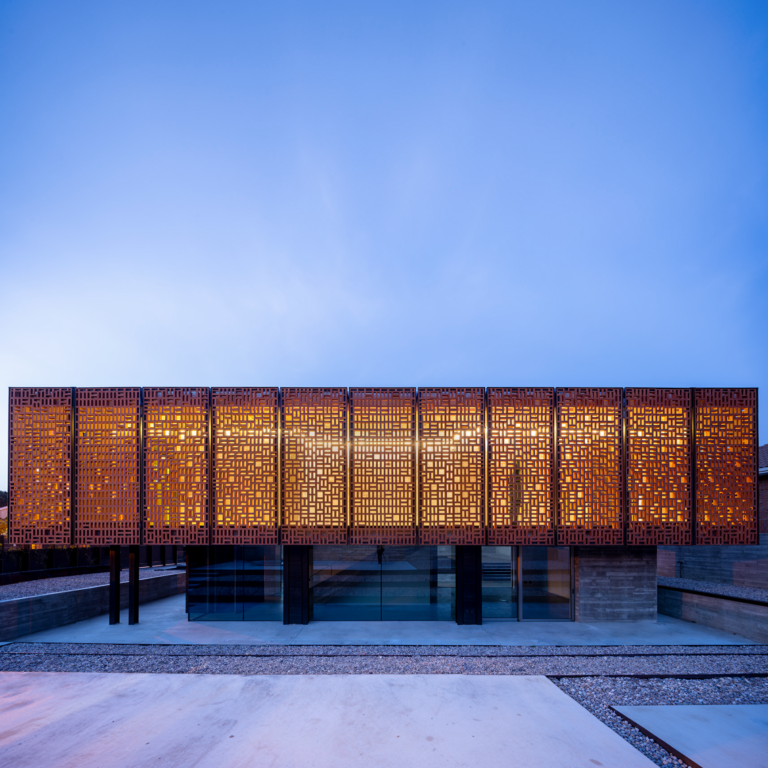
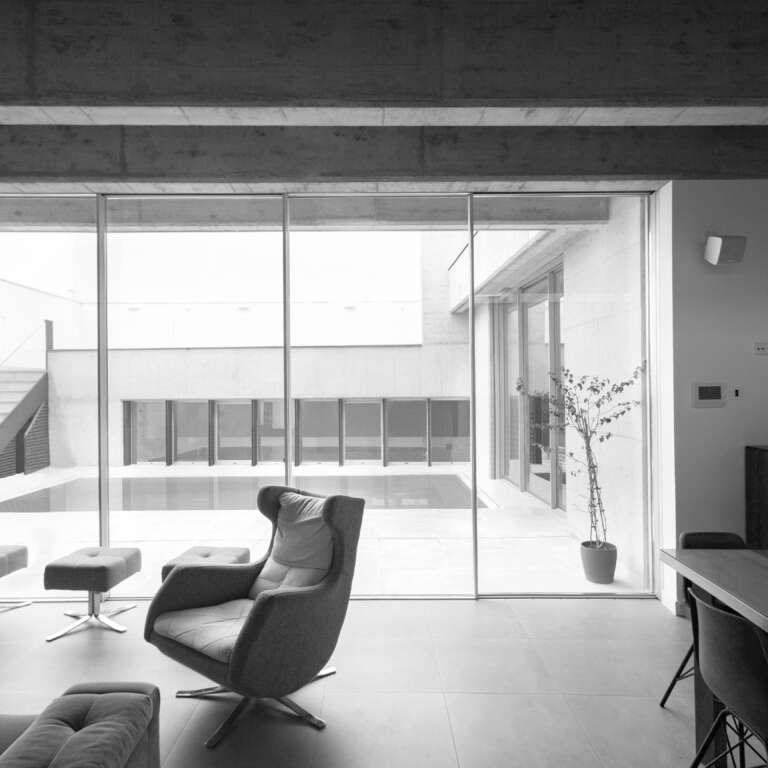
The house seeks light, opens towards the outside and visually extends its spaces into the garden and landscape, but does so without sacrificing privacy. Not every opening needs to reveal everything, nor does every transparency need to extend all the way through a house. Designing also means deciding where a view begins, how far it extends and, sometimes, where it should stop.
Many of the decisions that ultimately define a good home are almost invisible: the precise position of a window, the depth of an opening, a shadow, a shift in plane or the relationship between two spaces. So too are the point from which a view appears and the point from which it disappears.
Each of these decisions gradually shapes the relationship between the body, the house and the landscape. When they work properly, they are barely noticed. Everything appears simple, natural, almost inevitable, even though behind it lies precise work involving proportion, orientation, light, movement and the control of views.
That apparent naturalness is, in fact, one of the most difficult things to achieve in architecture: for decisions to be present without needing to make themselves evident.
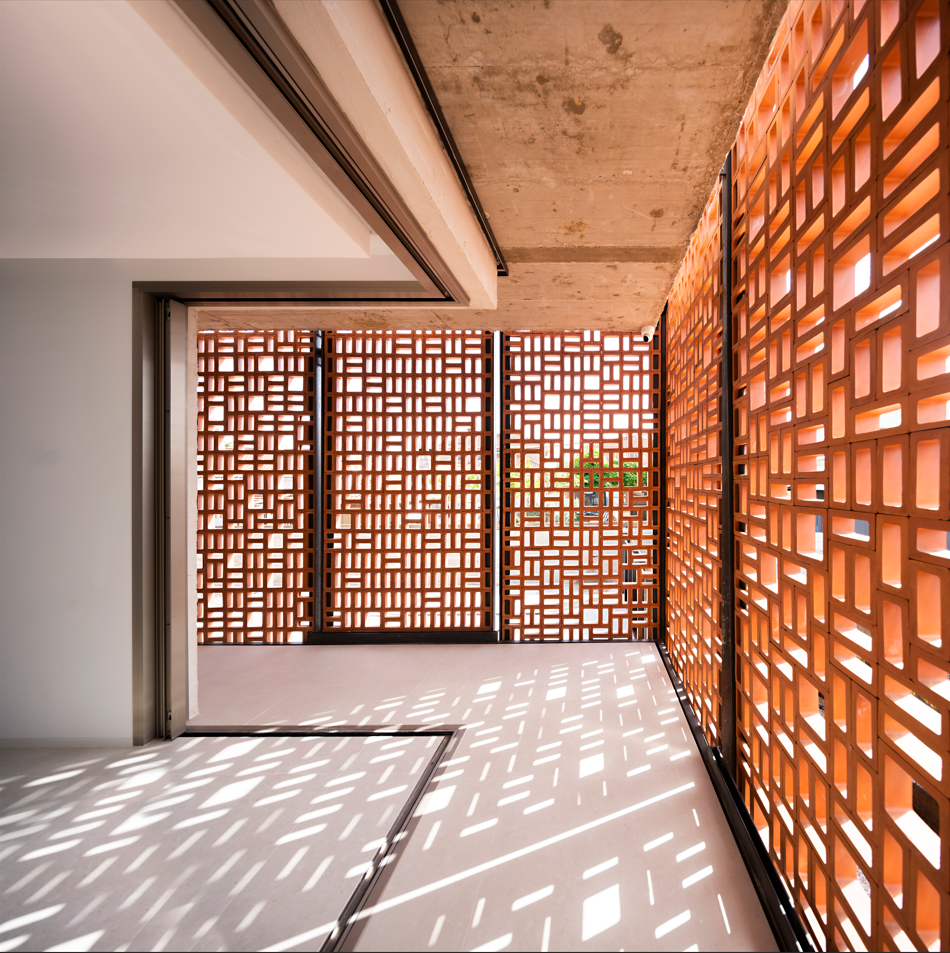
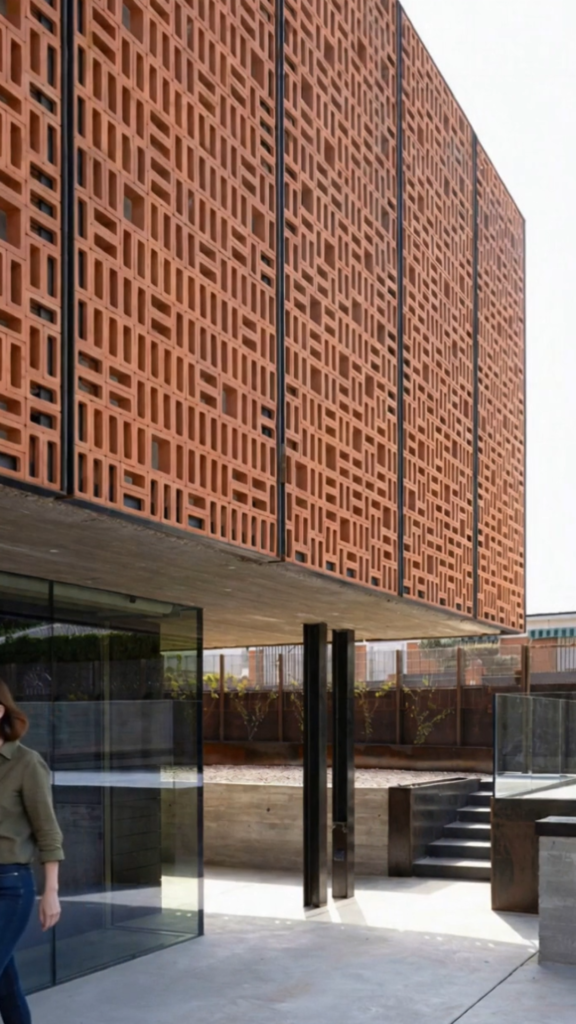
Casa Farol constantly works between conditions that might appear opposed: transparency and shelter, fluidity and control, openness and privacy. The project does not seek to choose between them, but to allow them to coexist.
A home can be deeply connected to the outside while still protecting the life unfolding within. It can allow the gaze to extend towards the landscape without becoming a showcase, welcome light without losing a sense of shelter, and open up its spaces without sacrificing those places where privacy needs to remain.
That boundary, sometimes difficult to perceive, is itself one of the forms of matter with which architecture works.
Perhaps one of the most difficult qualities to explain in a well-designed home is precisely what does not draw attention to itself: decisions that do not need to be made visible and simply allow a space to feel right.
Being able to walk through a house without feeling observed, to look outside without being constantly aware of its boundaries, to receive light where it is needed, or to find the right degree of openness, protection and privacy in each room. These decisions may seem small when considered individually, but together they shape the way a home is ultimately inhabited.
And perhaps this is where one of the differences lies between a home that is merely spectacular and one that is truly valuable.
Because a high-value home is not necessarily the one that reveals the most, but the one that knows what to reveal and what to keep private.